
Growing Up Under Pressure: The Harmful Messages Shaping Young People
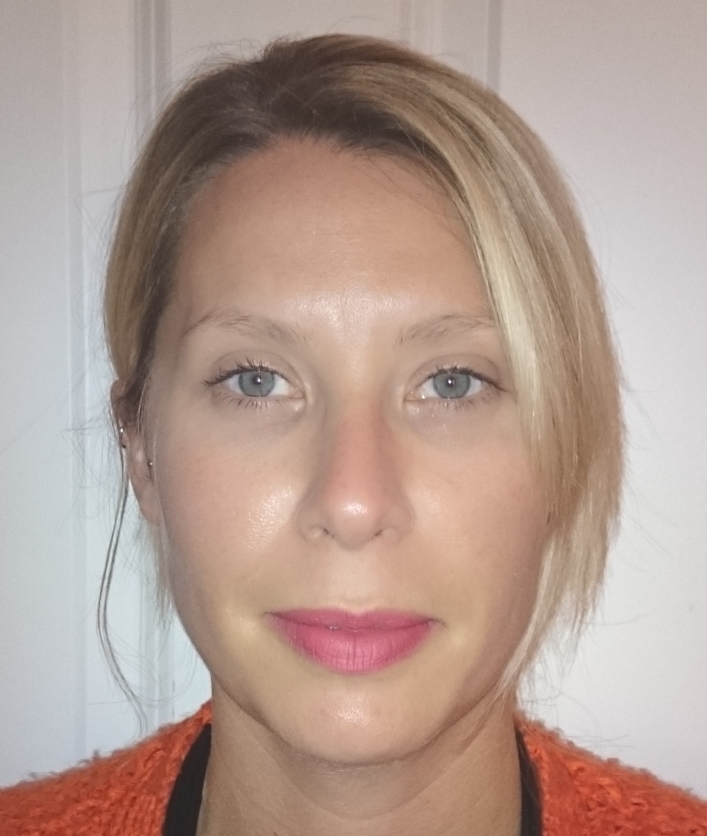
Tina Pearmine, our Relationship Development Lead, reflects on the pressures young people are facing.
My heart always sinks when I go shopping.

Shops are still selling sexualised clothing targeted towards toddlers and young children. I recently saw a skimpy bikini in a main street shop available for children as young as 4 years old. You only need to compare the lengths of boy and girl shorts to see that boys are being dressed for comfort and activity; girls are dressed to show off more of their legs.
In recent years, we've seen skin care and makeup regimes for children as young as 8 years old, whose products can be harmful to their skin. Stemming from bright packaging and influencers advertising towards young children on social media platforms; the aim is for followers and money. They do not consider the bigger picture that their influence is normalising unrealistic beauty standards within young audiences, which can lead to anxiety and low perception of themselves. These influencers are fully aware that they are targeting an age group that can be easily persuaded.
Skin care products used to be marketed solely for grown up women to look younger. Now they are also used to make little girls feel older. A new market has opened! But at what cost?
The girls that I work with very often have dreams and aspirations to become an influencer. The draw into this "glamorous world" of beauty and materialism seems to be, as one 13-year-old girl told me, “an easy and good way to make money and have the perfect life”. Some influencers have begun to show before and after photos, to counter criticisms of how they put pressure on girls, but why not just show the before photos with no filters or Photoshop? Particularly when everything else they do it focussed on proving they have the perfect body?

Love Island and Married at First Sight (MAFS) are very popular with young people, mainly girls and young women. Intimacy is encouraged, and bullying, humiliation, toxic unhealthy behaviours, sexual harassment, and violence all guarantee more viewers. Those tuning in tend to see the characters on the show as just that, characters in an entertainment show; however these programmes normalise men's violence and abuse and even though empathy and concern for the women within them is low, the relationships depicted hugely shape girls' expectations for their own lives.
BBC's Panorama has revealed that female contestants have being raped and sexuall abused by men on the programme, with Australia's MAF programme plagued by accusations that some men were allowed on the show even with documented histories of violence towards women. When a TV concept is inherrently harmful (as with MAFS or Jerermy Kyle), why does it take serious harm to contestants before any these programmes are cancelled?
Channel 4's removal of MAFs is in the same month that their new reality show, Virgin Island launches. Twelve individuals who are yet to have sex have been flown to a Mediterranean destination to have sex with paid professionals. It feels like we've landed in an episode of Charlie Brooker's Black Mirror. What does this programme say to girls and young women? Your sexuality is a commodity for entertainment and money making? Do you want to be an influencer? Then save yourself for Virgin Island.
Instagram has now provided disappearing messages like Snapchat, while Meta has developed glasses that can film and gain personal information without consent, leading to ever-increasing avenues for tech-based abusers. It is positive to see more being done to bring these platforms to account with the discussion at add amendments to the online safety act of 2023, but is that enough?
More than ever before, young people are being suffocated by messages which are harmful and hateful. How can we create spaces that are safe for young people when those with platforms and power see them only as consumers and customers? At DAY, we believe culturally literate conversations are a good first step to helping young people reject this demand to be a consumer and/or consumed.
Our next training event is in November, why not join us in building better spaces for young people: https://www.dayprogramme.org/trainingdates


